SMOKE ALARMS
One on every level
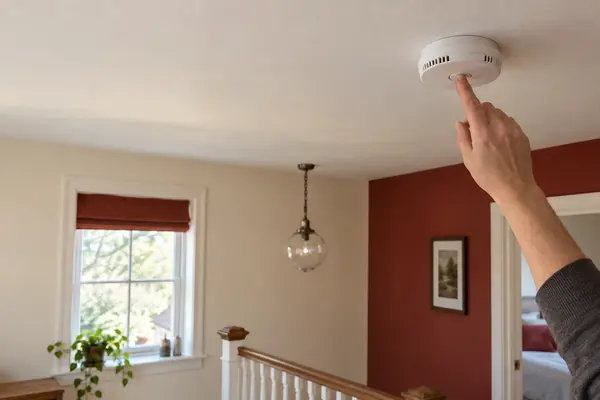
Fire Kills guidance says you are around 8 times more likely to die in a fire without a working smoke alarm. Fit one on every level and test it monthly.
How to do it doodlefire.
WHAT THE GUIDANCE SAYS
A working alarm buys you time.
UK fire safety guidance comes down to a few habits: an alarm on every level, tested every month, two planned ways out, and a quick check of the kitchen, plugs and candles before bed.
Check a situation Read the short answer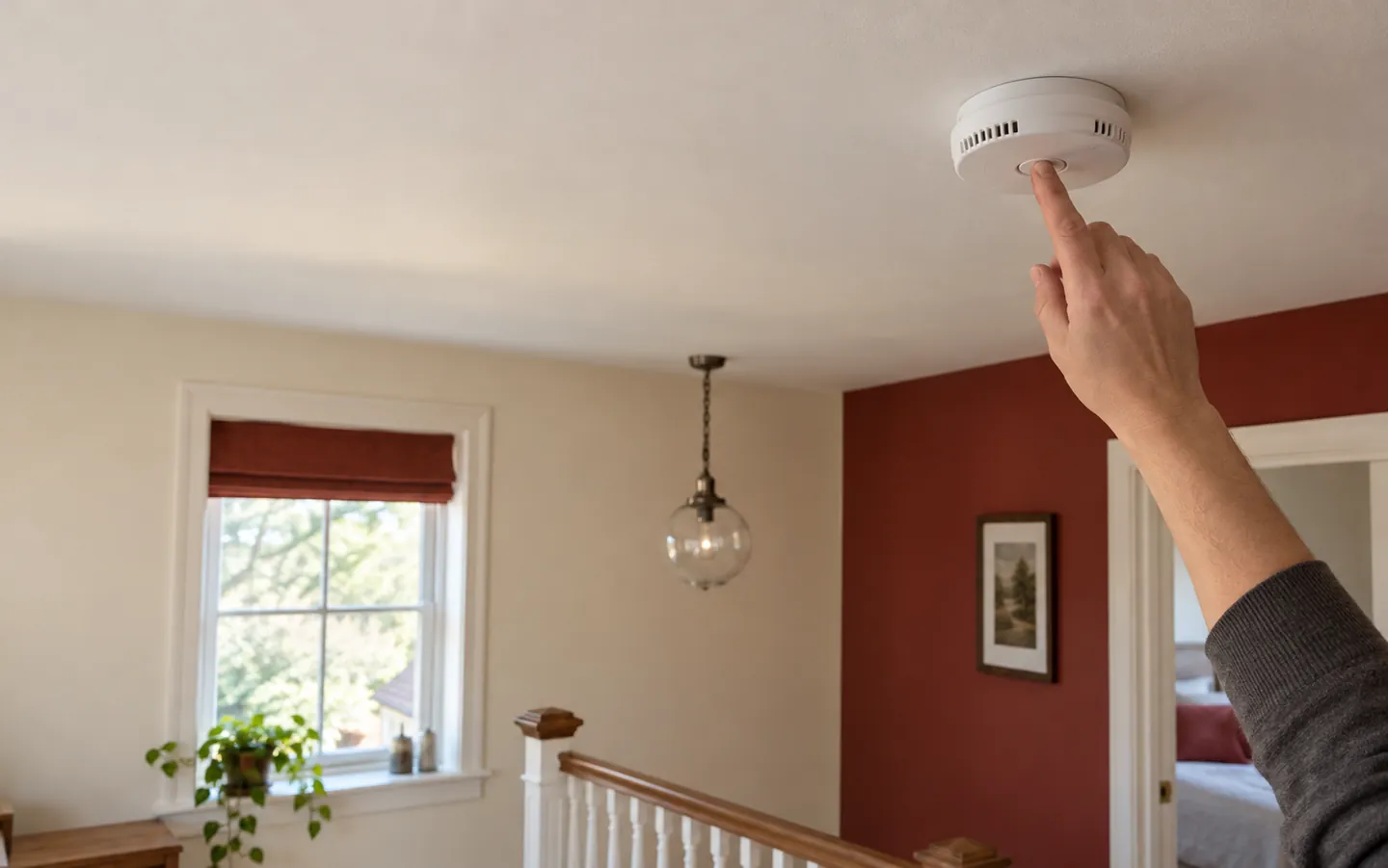
THE SHORT ANSWER
Most fire safety is about time.
An alarm gives you warning, a plan gets you out.
SMOKE ALARMS
Fire Kills guidance says you are around 8 times more likely to die in a fire without a working smoke alarm. Fit one on every level and test it monthly.
How to do itTHE KITCHEN
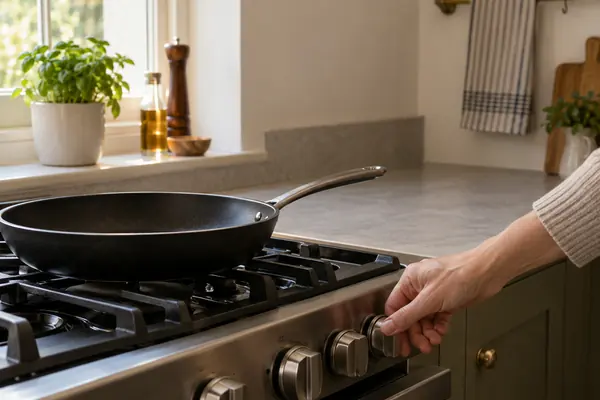
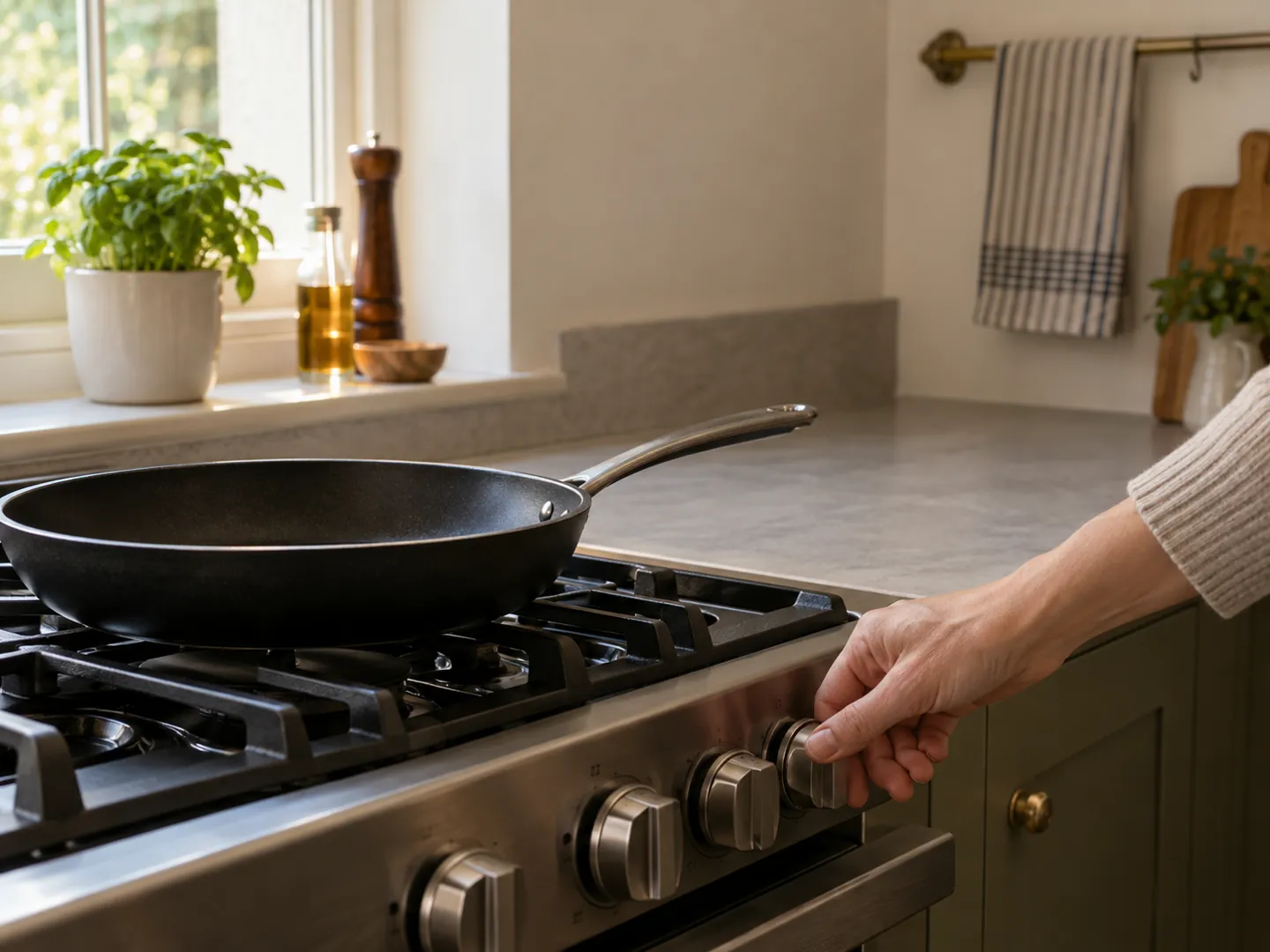
Around half of home fires are caused by cooking accidents. Take extra care if you leave the kitchen, and never throw water on a pan fire.
See the numbersESCAPE
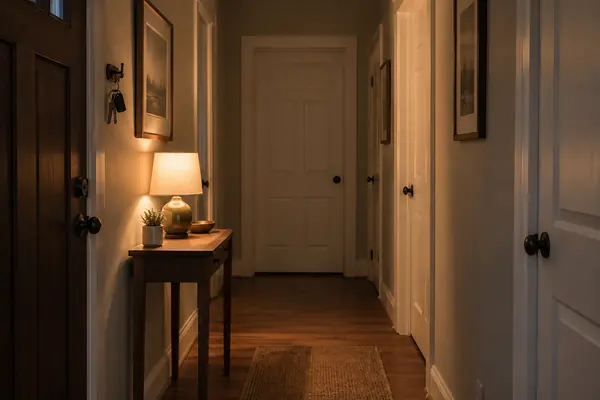
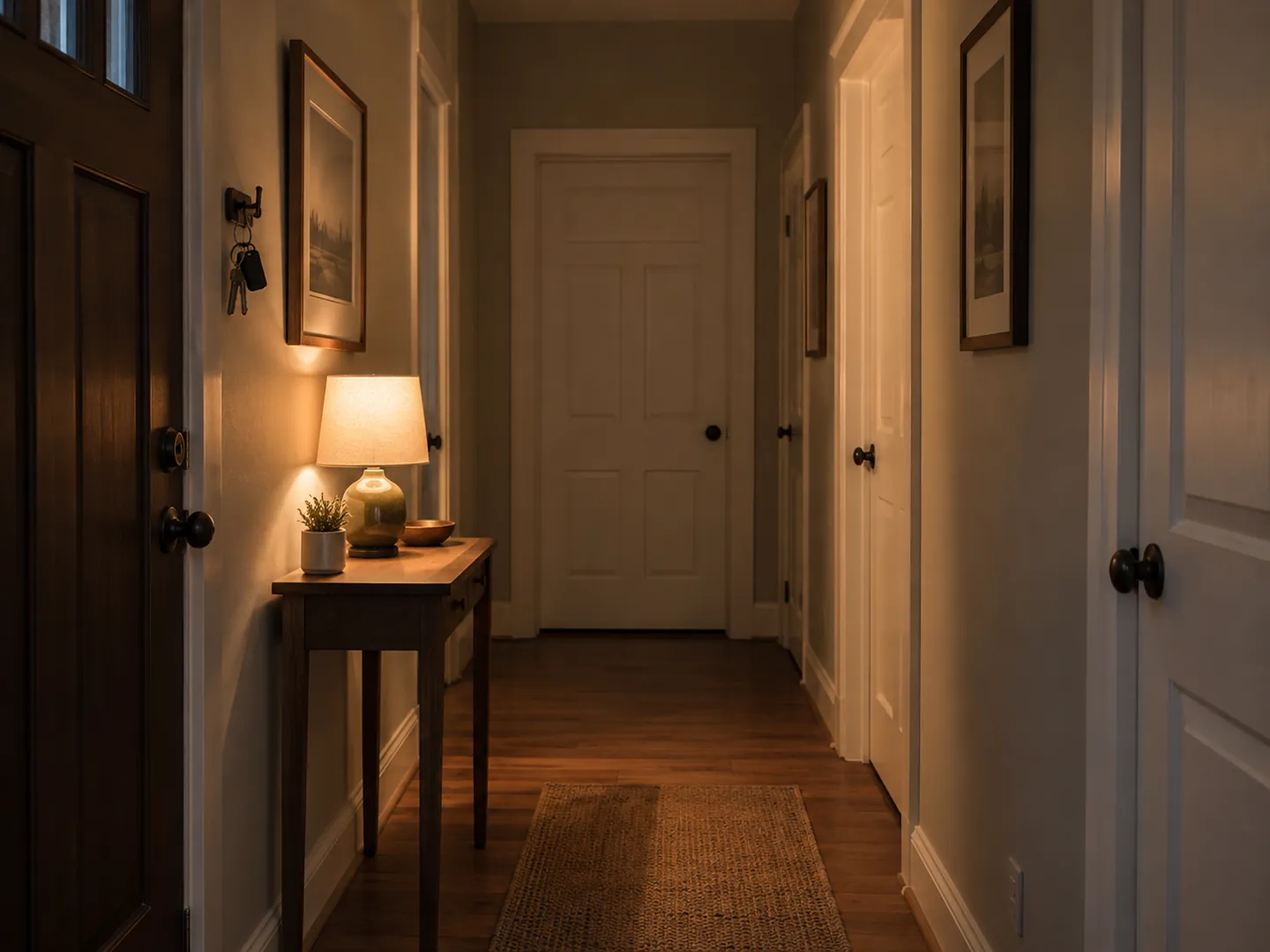
Plan two escape routes and practise them. Close inside doors at night and keep keys where everyone can find them.
Check a situationA QUICK SAFETY CHECK
Pick an everyday situation to see what the guidance says to do. The bar shows how urgent it is.
Based on the GOV.UK Fire Kills leaflet Fire safety in the home. In a fire, always get out, stay out and call 999.
TWO NUMBERS WORTH KNOWING
Home Office figures for England,
year ending March 2026.
SMOKE ALARMS · HOME OFFICE
Dwelling fires with no smoke alarm present
23<small>%</small>
England had 26,180 dwelling fires in the year ending March 2026. No smoke alarm was present in 23% of them, and in a further 19% an alarm failed to operate.
COOKING · HOME OFFICE
Accidental dwelling fires started by cooking appliances
42<small>%</small>
Cooking appliances were the largest specified ignition source, at 42% of accidental dwelling fires. Misuse of equipment or appliances caused 27%.
The same Home Office release, published 19 August 2026, counted 184 fire-related deaths in dwellings, 72% of all fire-related deaths that year.
FOUR HABITS TO TRY
None of these needs much more than a step stool and a conversation with the people you live with.
IF YOU RENT
Since 1 October 2022, landlords in England must make sure there is at least one smoke alarm on each storey used as living accommodation, and a carbon monoxide alarm in any room used as living accommodation that has a fixed combustion appliance (gas cookers excepted). They must repair or replace faulty alarms once told.
Fire and rescue services also offer free home visits. Shropshire Fire and Rescue's free Safe and Well visit, for example, includes testing smoke alarms, talking through the main causes of fire and planning an escape route.
QUESTIONS PEOPLE ASK
At least once a month. If an alarm has a one-year battery, change it every year; a ten-year alarm should be replaced as a whole every ten years. Vacuum alarms every six months to clear dust.
Fit at least one on every level of your home, on the ceiling, in the middle of a room or on the hallway and landing. Keep them out of kitchens and bathrooms, where a heat alarm can be used instead.
Get out, stay out and call 999. Check doors before opening them; if a door is warm, the fire is on the other side. Keep low if there is smoke, and call 999 once you are clear. Calls are free.
Gather everyone in one room, ideally with a window and a phone. Put bedding along the bottom of the door, call 999, open the window and shout "HELP FIRE". Do not jump.
Cooking. Fire Kills says around half of home fires are caused by cooking accidents, and faulty electrics cause around 4,000 home fires a year. Heaters start about three fires a day and candles two.
SOURCES
Each figure on this page comes from the sources below. Check them for the full detail and context.